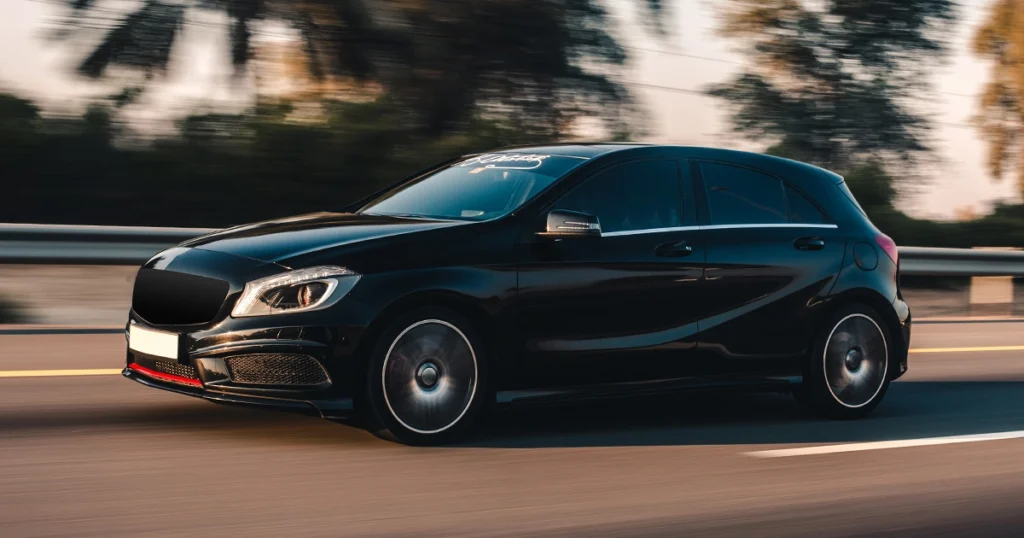

When it comes to car window tinting, the rules and regulations can often be confusing. In New Zealand, car owners looking to add a tinted film to their windows need to be aware of the specific regulations to ensure they are compliant with the law. Understanding what’s allowed can save you from fines and the hassle of removing the tint. So, what’s the legal tint in NZ?
In this blog, we’ll cover everything you need to know, including the specific laws, the limits on tint levels, and the consequences of breaking the rules. Let’s dive in!
What Is Window Tinting?
Window tinting refers to the process of applying a thin film or coating to the windows of a vehicle to reduce the amount of visible light passing through. Tinted windows are popular for various reasons – they enhance privacy, reduce glare from the sun, improve the aesthetics of a car, and even protect the interior from UV damage.
However, not all window tinting is created equal. While some car owners prefer to go for a very dark tint, New Zealand law regulates how much tint can be applied to your vehicle to ensure visibility and safety on the road.
What’s the Legal Tint in NZ?
The key question for many vehicle owners is “What’s the legal tint in NZ?” The answer lies in the Visible Light Transmission (VLT) percentage. VLT refers to the percentage of light that can pass through the window. The New Zealand Transport Agency (NZTA) has set out clear rules regarding how much light must pass through a vehicle’s windows, particularly for the front and rear windows.
Front Windshield Tint
The front windshield is subject to strict regulations. According to New Zealand’s Road User Rule, the front windshield must allow at least 70% of visible light to pass through. This means that only 30% of the light can be blocked by tinting. The idea behind this rule is to ensure the driver’s ability to see the road clearly in all conditions – especially in poor visibility like fog, rain, or night-time driving.
You can add a tinted band along the top of the windshield (also known as a “sunstrip”) – but the tint level on this part must also comply with the 70% VLT rule.
Front Side Windows
For the front side windows (the driver’s and passenger’s side), the law is similar. These windows must allow at least 35% of visible light to pass through. Therefore, any tint applied to these windows should not reduce light transmission by more than 65%.
This regulation ensures that drivers have sufficient visibility of the road, pedestrians, and other vehicles, which is essential for safety. It also allows for police and emergency service personnel to see inside the vehicle in case of an emergency.
Rear Side Windows and Rear Windshield
When it comes to the rear side windows and the rear windshield, there’s more flexibility. In these areas, there is no minimum VLT requirement – meaning the tint can be much darker compared to the front windows. As long as the vehicle has side mirrors that allow the driver to see behind the vehicle, you can apply darker tint to these windows.
However, it’s important to note that overly dark tints can still cause issues with law enforcement, especially if they impede the ability of emergency responders to see inside the vehicle in an accident situation. It’s always best to stay within reasonable limits – even if the law allows darker tint.
Tinted Windows and Other Modifications
Along with the VLT regulations, other aspects of car modifications come into play when considering window tinting. For example, tinting that is reflective, mirrored, or too shiny is not allowed for any of the windows, as this could distract other drivers or cause dangerous glare.
If you choose to tint your windows, it’s essential to use a quality product that complies with the NZTA’s guidelines. Using substandard or non-compliant materials can result in your car being issued with a defect notice.
Why Is There a Legal Limit on Tinting?
The primary concern with window tinting regulations is safety. The visibility of both the driver and other road users is crucial for preventing accidents. Too much tint can reduce the driver’s ability to see clearly, particularly in low-light conditions, and can also make it more difficult for other road users to see into the car.
Additionally, law enforcement and emergency responders need to have clear visibility into the interior of the vehicle in case of an emergency or traffic stop. Allowing a certain level of light to pass through the windows ensures that authorities can see into the car to identify potential hazards or assess the situation quickly.
Finally, the regulations also aim to ensure that drivers can operate their vehicles safely by maintaining clear visibility of the road, pedestrians, and other vehicles – even when sun glare or adverse weather conditions are present.
How Do You Check the Legal Tint in NZ?
To check if your window tint is compliant with New Zealand’s regulations, you can follow a simple process:
- Use a Tint Meter – A tint meter is a device used to measure the Visible Light Transmission (VLT) percentage of your car windows. These meters are commonly available at professional tinting shops and can measure the exact level of tint on your windows. They are typically quick and accurate.
- DIY Test – If you don’t have access to a tint meter, you can also use the “flashlight test.” This method involves shining a bright flashlight onto the window and observing how much light passes through. However, this test may not be as precise as using a tint meter, and it’s always safer to rely on a professional service.
- Consult a Professional – If you’re unsure about the legality of your window tint, it’s always best to consult a professional. Window tinting specialists are familiar with the regulations and can advise you on what is legal and safe.
What Are the Penalties for Illegal Tinting?
If your car’s window tint doesn’t comply with the legal requirements, you could face penalties. This could include
- Fines – If caught with illegal window tint, you may be issued a fine.
- Defect Notice – A police officer can issue a defect notice if your tint is deemed non-compliant. This means you will have to remove the tint and have your vehicle re-inspected, which could be costly and time-consuming.
- Warrant of Fitness (WoF) Issues – If your vehicle has illegal tinting, it could fail its WoF inspection, which is required for all vehicles on the road in New Zealand. If you fail your WoF inspection, you’ll need to remove the tint and get your vehicle rechecked before being allowed to drive it legally.
How to Stay Compliant with the Law?
To stay on the right side of the law, it’s best to
- Always check the VLT percentage of the tint you are applying to your vehicle.
- Use a reputable and experienced window tinting professional to ensure that the tint complies with the legal requirements.
Regularly inspect your vehicle’s tint to make sure it hasn’t degraded over time and is still within legal limits.
What’s the Legal Tint in NZ?
In summary, understanding what’s the legal tint in NZ is essential for every vehicle owner who wants to modify their car’s windows. While you have some flexibility with rear windows and the rear windshield, it’s crucial to comply with the 70% VLT rule for the front windshield and 35% VLT for the front side windows. Always ensure that the tinting is done using high-quality, compliant materials to avoid penalties or safety risks.
Whether you want to improve your car’s appearance or protect yourself from the harsh New Zealand sun, make sure to stay within the legal limits for your safety and the safety of others on the road.